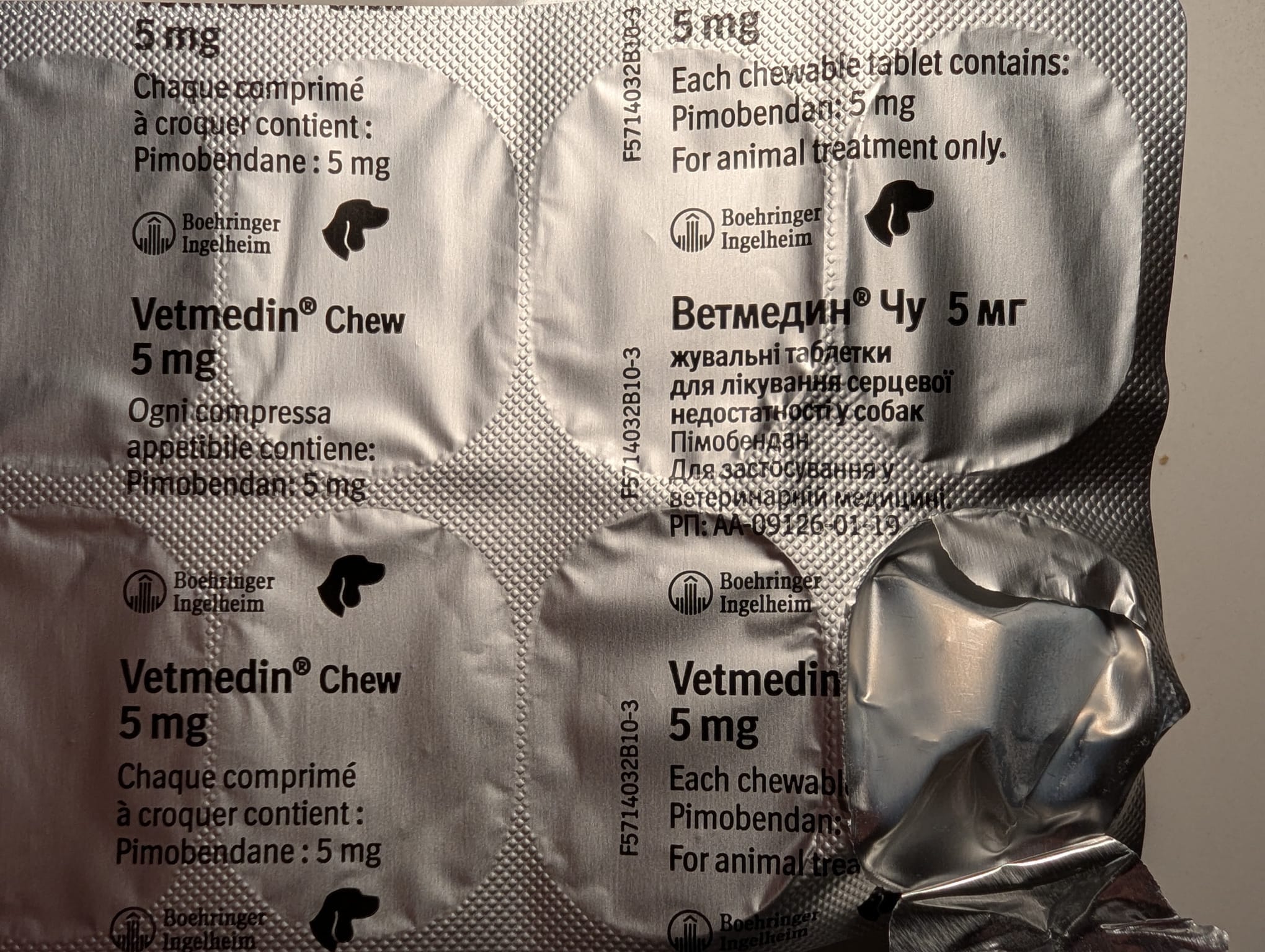

The other day, I did something stupid. I had to take a pill in the morning, but accidentally took the wrong one. I swallowed our dog’s heart medicine. Why? I have no clue. The tablets couldn’t look more different from one another.
Mild panic ensued. The pills were explicitly labelled “for animal treatment only”. To make matters worse, I’m an efficient pill taker, so that pill was gone with no chance of retrieval.

Instinctively, I called my doctor on his mobile. He was mid-consultation and, understandably, had no expertise in canine heart medication. His advice: “Check ChatGPT.”
I looked up the medication, and my AI agent concluded I’d be fine, as the dosage was too small for any effect. Fortunately for me, AI was right.
Today’s AI models are incredibly effective for medical advice. I’m sure most people use them in this way. While it still seems slightly awkward today that a doctor would recommend an AI consultation to a patient, in a few years, it will seem awkward that we even considered this awkward.
Recent data from Canada and the UK confirms that many people are now turning to AI for medical information. Importantly, though, people are sceptical. A recent survey illustrates this, as roughly half of all Canadians were found to turn to AI for health information, but only 27% trusted its accuracy, according to a report by the Canadian Medical Association featured in The Globe and Mail. In addition, a Guardian report reinforced what we already know - that AI-generated summaries, specifically on health information, can be factually incorrect or even harmful.
My pill episode shows that in certain moments, AI can provide valuable instant guidance. My doctor, had he not been in a consultation, most likely would have looked up the medication in his own AI platform as his first step. Obviously, there’s a big difference between a trained physician interacting with AI-generated information and consumers doing the same without medical training.
This is where startups and innovation come in. Several companies now build on top of general AI models like ChatGPT, adding medical knowledge and safety guardrails. ChatGPT itself is doing this, with the launch of ChatGPT Health in the US just last month, which involves connecting with fitness and health data to provide more personalised advice.
Doctronic, launched in 2023, is one such startup. Built on LLM models and focused on primary and urgent care, it offers free AI consultations plus video visits with licensed physicians for a fee. The startup has raised $20M+ from top-tier VCs, including Lightspeed Venture Partners and Union Square Ventures and already has over 1 million users.
I used Doctronic to simulate my dog-pill incident. The difference from my actual experience with a general LLM was significant. Doctronic’s questions were more pointed and precise, and it was noticeably more careful about addressing risks like drug interactions. At the end, it offered to connect me with a doctor if I was concerned (not surprising, that’s their monetisation model). Overall, it was a great experience.
Something interesting is happening here. Even the LLMs recognise that medical advice can be improved with specialised data and processing layers. So who will win this battle: Health-focused startups sitting on top of LLMs or the LLMs themselves with health-specific add-ons?
I’d place my bets on the startups and their entrepreneurial power. The only way startups survive is by doing one thing exceptionally well. Doctronic will either get this right, or it will fail. What’s happening in AI-powered medical consultation is tremendously exciting, and I’ll certainly know what to do if I accidentally swallow our dog’s pills again.